
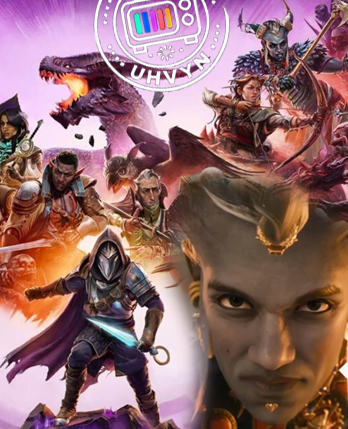
Dragon Age: The Veilguard has gone all-in on inclusivity, giving players a protagonist, Rook, who can be whoever they want—gender identity, pronouns, the whole deal. Every companion in the game? Open for romance, no matter who your Rook is. It’s a dream scenario for a lot of queer players: no restrictions, no awkward “sorry, I’m just not into you” conversations from NPCs because of a hidden sexuality flag. But the question lingers—does this approach actually represent LGBTQIA+ experiences, or does it sand them down into something that just serves player choice?
The “Everyone’s Pan” Dilemma
On the surface, making all romance options available to all players seems like a win for inclusivity. No one’s left out, and everyone gets to experience the full depth of these relationships. But dig a little deeper, and you hit the “playersexual” debate—the idea that characters have no real sexual orientation outside of what the player wants them to have. It’s a weird paradox: total choice, but at the cost of realism.
Game Director Corinne Busche has assured players that, while all companions are pansexual, they aren’t “playersexual.” They supposedly have internal orientations, preferences, and even relationships outside of the player’s control. But if everyone is available, is there really a meaningful distinction? In previous Dragon Age titles, characters like Dorian and Sera had defined sexualities—Dorian was gay, Sera was a lesbian. That wasn’t just a detail; it was part of who they were. Now, The Veilguard says, “Nope, romance whoever you want, no limits.” It’s a nice sentiment, but it risks making queerness feel like a toggle, something that exists only when the player decides it should.
Representation vs. Making Queer Stories Palatable
The big question here: is The Veilguard actually designed for LGBTQIA+ players, or is it more about making queer relationships feel normal for a broader (read: straight) audience? There’s a difference between a story that’s written for queer people and one that just wants to include them in the easiest, most universally acceptable way.
By making every character pansexual, The Veilguard sidesteps a lot of messy, real-world complexities that come with sexuality. Queer people don’t just exist in a vacuum of acceptance; they navigate identity, relationships, and social dynamics shaped by the world around them. There’s something powerful about seeing a character like Dorian struggle with his father’s homophobia, or Sera’s frustration with how people perceive her relationships. If everyone is open to romance, it smooths over those tensions. It removes queerness as something that’s specific and turns it into something that’s universal, which sounds nice but can also feel like erasure.
Taash: A Step Forward, but How Far?
Taash, the game’s non-binary Qunari companion, is a clear sign that The Veilguard isn’t just throwing in representation for the sake of it. Voiced by non-binary actor Jin Maley and written by non-binary pansexual writer Trick Weekes, Taash seems like the real deal—representation from people who actually get it. Their story explores gender identity and cultural conflict, two things that rarely get the spotlight in big-budget RPGs.
But while Taash is a great addition, some players feel like their story plays it too safe. There’s a fine line between meaningful representation and a character who feels carefully curated to avoid controversy. If The Veilguard is serious about non-binary representation, it has to let characters like Taash be messy, flawed, and complicated—just like the rest of the cast.
The Community’s Verdict? Mixed, as Expected.
As with anything involving LGBTQIA+ representation in gaming, the reaction has been all over the place. Some players love the inclusivity and the ability to shape their own identity without restrictions. Others feel like the game’s pansexual romance design is a little too convenient—a way to dodge difficult conversations rather than actually engage with them.
Reddit threads and Twitter arguments (because of course) show the usual divide: some appreciate the freedom, while others find it hollow. The lack of defined sexualities makes things feel less authentic, but at the same time, putting up barriers could feel exclusionary. The truth, as always, is somewhere in the messy middle.
So, Does The Veilguard Get It Right?
Dragon Age: The Veilguard is trying. That much is clear. It wants to be inclusive, it wants to represent, and it wants to make sure no one feels left out. But in doing so, it raises bigger questions about what true LGBTQIA+ representation looks like.
Is it enough to make everyone available to the player, or does that reduce queerness to a player-serving feature? Does smoothing out all the rough edges of LGBTQIA+ identity make it more palatable to straight audiences at the cost of authenticity? Can a game really balance both?
For some, The Veilguard is a step forward. For others, it’s a sidestep. The real test will be in how these stories are actually written—whether they’re just checkboxes on the inclusivity list, or if they have the depth, messiness, and honesty that real representation deserves.




Leave a Reply