
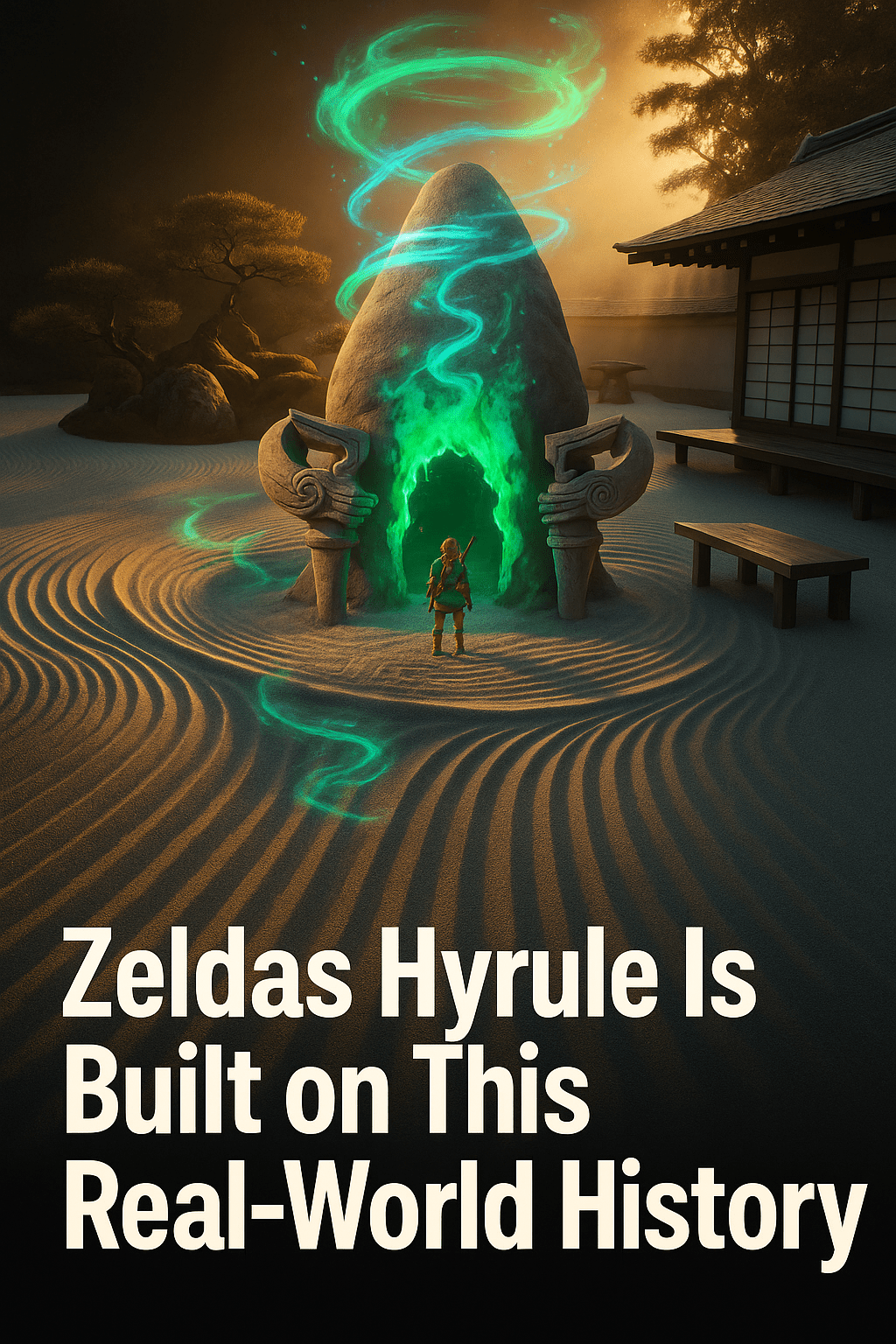
Tears of the Kingdom is woven with loving design, honoring history, mythology, and art. Every shrine, ruin, and castle carries whispers of real-world civilizations. Let’s break down the key artistic influences that shape Hyrule:
📜 Zen Garden Essence – Hyrule’s shrines mirror the meditative calm of Japanese rock gardens.
🌄 Lost Civilizations – Zonai ruins evoke Mesoamerican temples, rich with forgotten lore.
🐉 Sacred Beasts – The Light Dragon follows the wisdom and grace of East Asian dragon myths.
🗿 Geoglyphic Echoes – Hyrule’s geoglyphs resemble Peru’s Nazca Lines, symbols meant for the sky.
🏯 Architectural Heritage – Hyrule Castle’s design reflects the fortresses of feudal Japan.
🌀 Spiral Mysticism – The Rist Peninsula’s landform connects to ancient Celtic and Indigenous motifs.
🌿 Shizen Aesthetic – Zelda’s world blends nature and architecture, embracing Japanese design philosophy.
⚔️ Samurai & The Way of the Blade – Hyrule’s warriors embody Bushido, the philosophy of honor in combat.
🎭 Gerudo Art & Middle Eastern Influence – Persian and Arabian aesthetics shape the Gerudo’s world.
💫 Celestial Reverence – Star maps and sky islands echo ancient astronomical alignments.
🌀 Zen Gardens & The Shrines of Hyrule
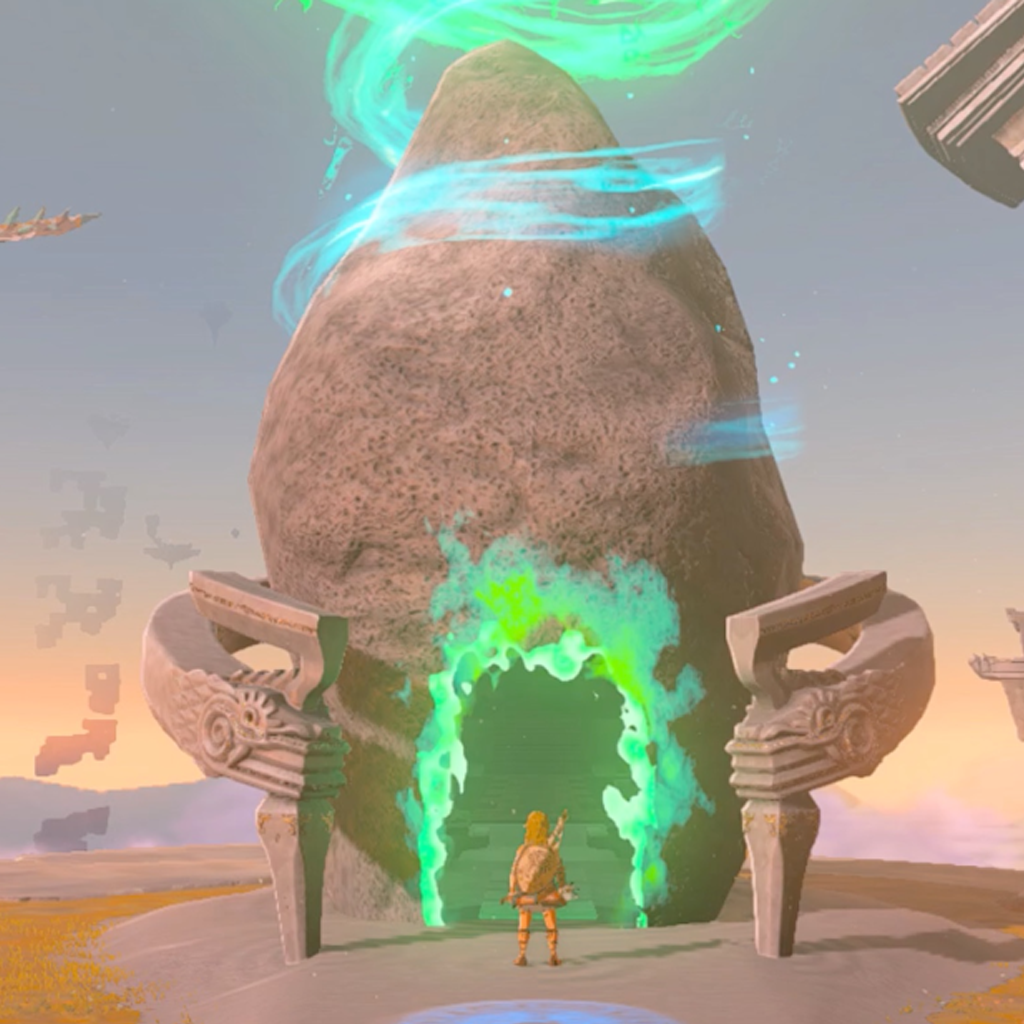
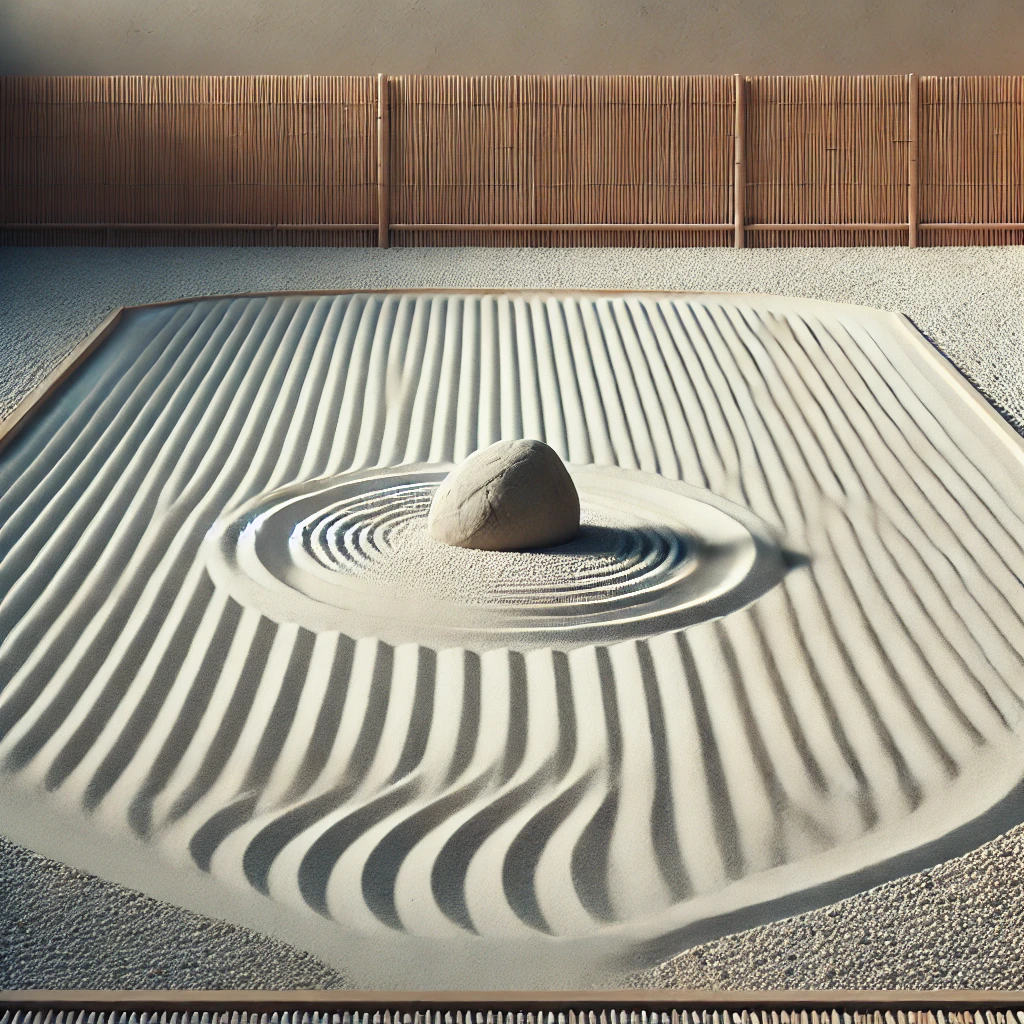
Walk into a shrine, and you’ll notice its deliberate simplicity: smooth stone, glowing orbs, and swirling sand patterns. This design is straight out of karesansui, or Zen rock gardens, where sand represents water, and rocks symbolize islands.
In Zen tradition, arranging these elements is a form of meditation – just like solving shrine puzzles in Tears of the Kingdom. The shrines are not places of chaos but of quiet contemplation.
🎨 Real-World Example: Ryoan-ji Temple, Kyoto, Japan
A Zen garden where 15 carefully placed stones sit in a sea of raked gravel, embodying balance and focus.
🌄 The Lost Empire of the Zonai & Mesoamerican Ruins
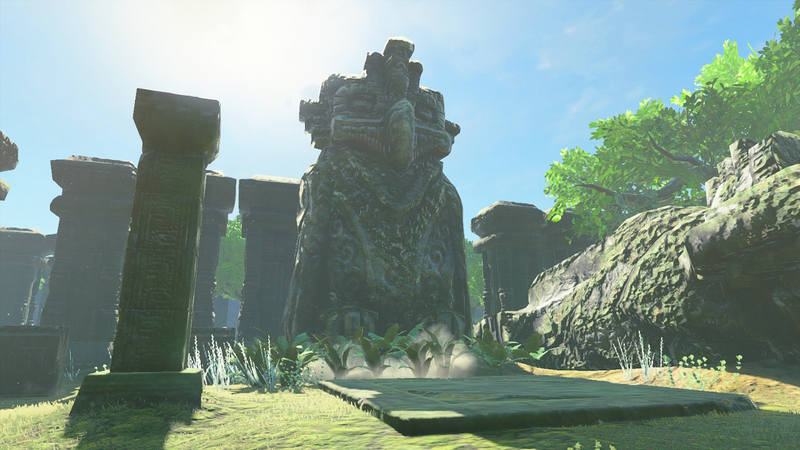
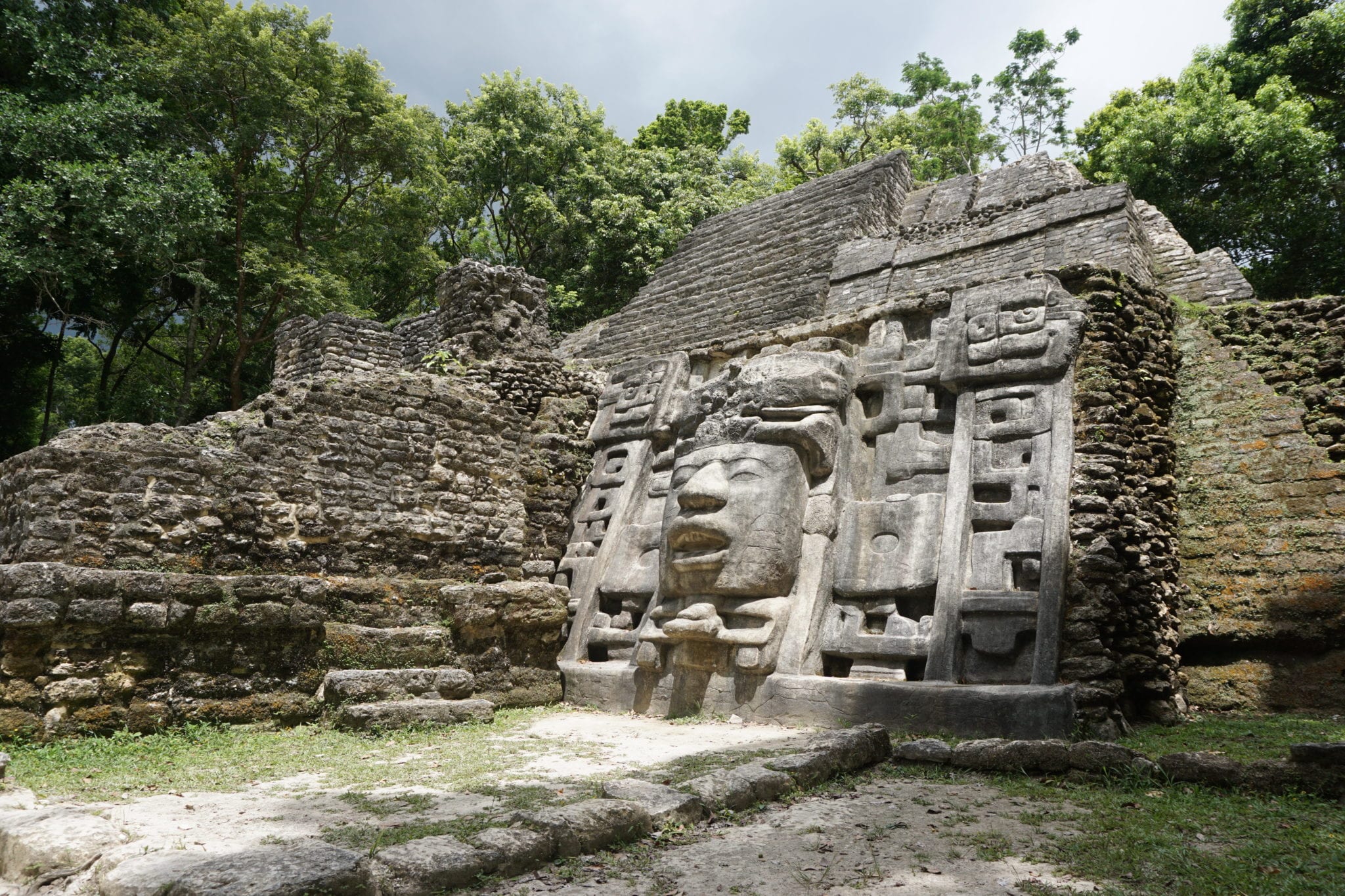
The Zonai ruins aren’t just mysterious; they’re historically grounded. With their stepped pyramids, intricate carvings, and jungle overgrowth, they feel like something pulled straight from Mesoamerican history.
Like the Maya and Aztecs, the Zonai built massive stone cities dedicated to gods and elements. Even their swirling motifs and dragon imagery feel like an artistic parallel to ancient glyphs.
🎨 Real-World Example: Temple of the Inscriptions, Palenque, Mexico
A Maya temple with tiered platforms and enigmatic carvings, much like the Zonai’s lost sanctuaries.
🐉 The Light Dragon & East Asian Dragon Mythology
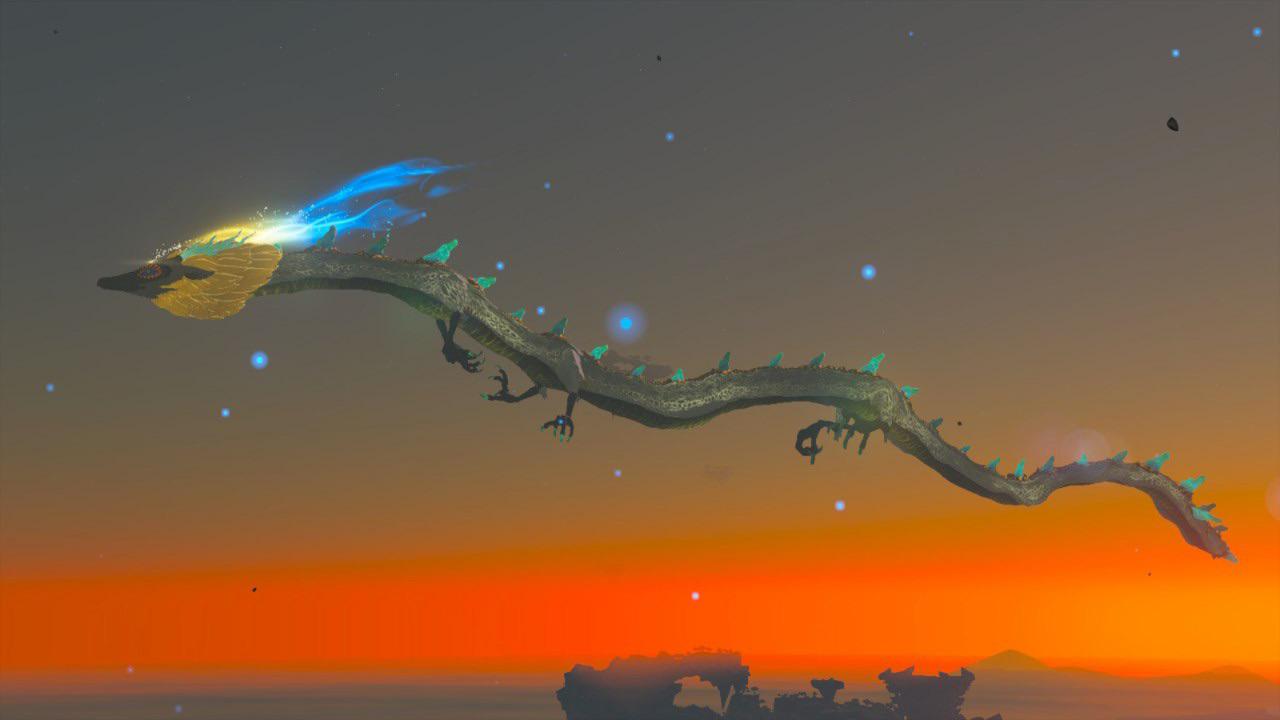
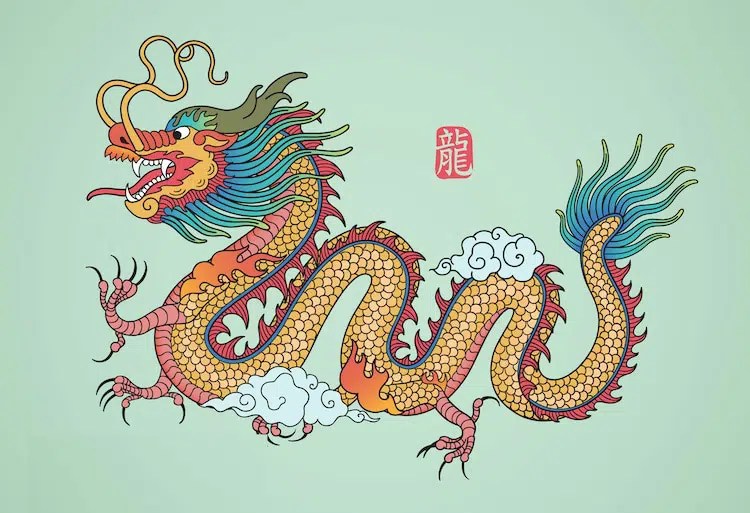
Unlike the fire-breathing monsters of Western mythology, East Asian dragons are celestial beings – long, flowing, and associated with wisdom. Hyrule’s dragons follow this tradition, gliding through the sky as protectors rather than predators.
In Japanese folklore, Ryujin is a water dragon god, while the Chinese Long (龍) dragon symbolizes power and prosperity – both reflected in the divine presence of Zelda’s Light Dragon.
🎨 Real-World Example: Japanese Ryujin & Chinese Long Dragons
Celestial dragons of myth, tied to rain, rivers, and the heavens.
🗿 Geoglyphs & The Nazca Lines
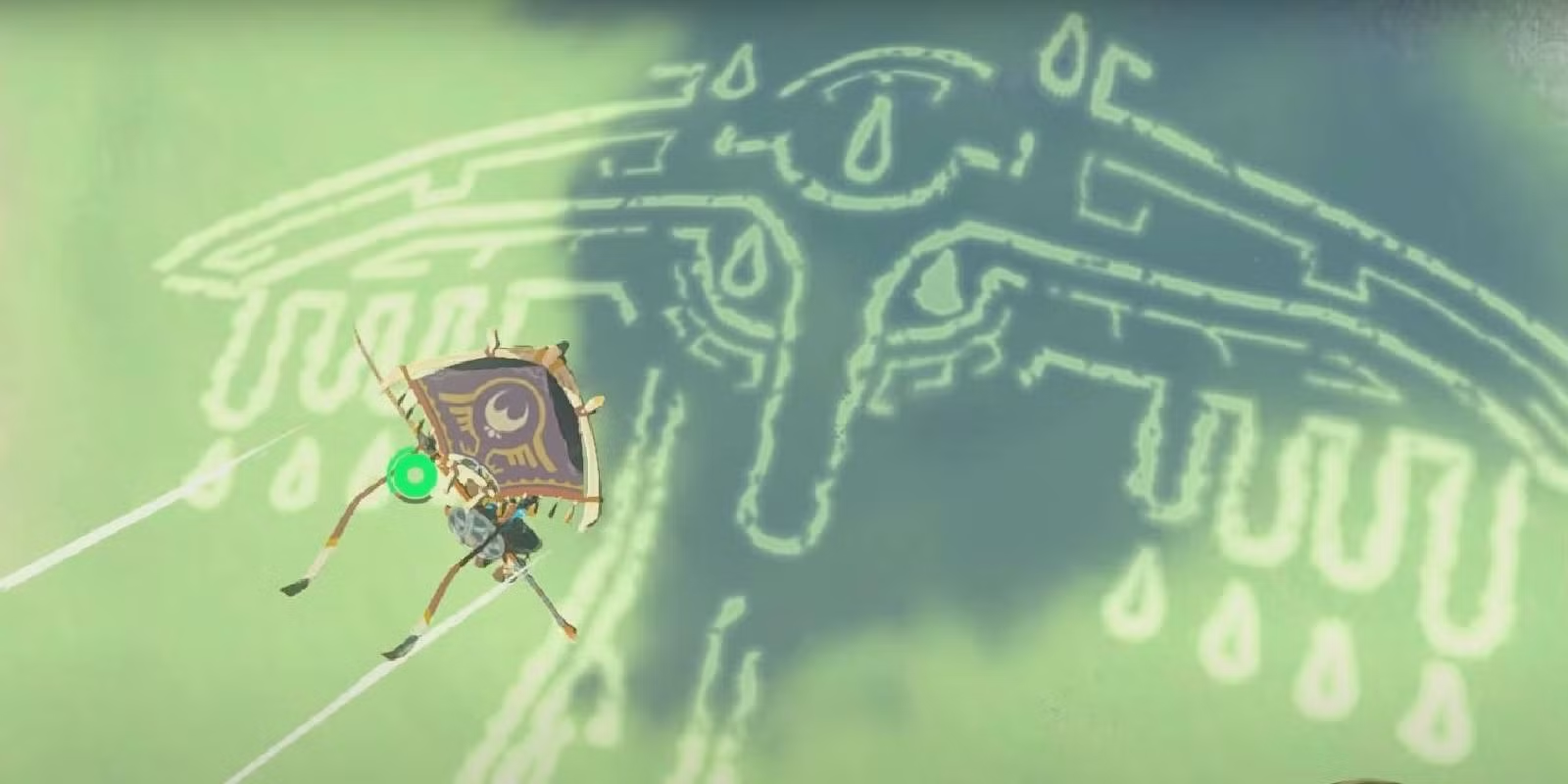
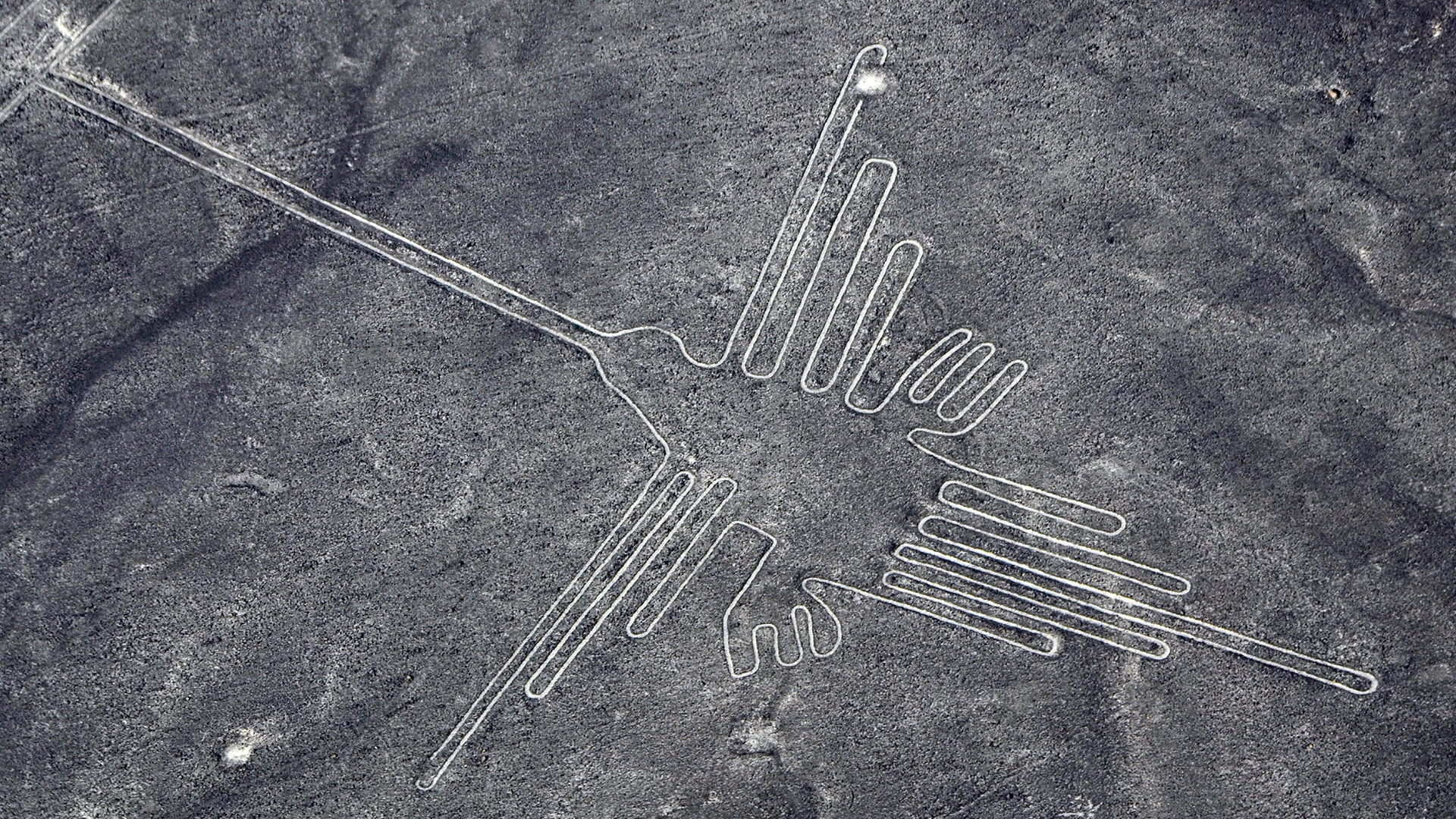
Seen only from high above, Hyrule’s geoglyphs are massive, earth-carved symbols – just like Peru’s Nazca Lines. These real-world designs, made over 2,000 years ago, are thought to be religious symbols or celestial maps.
The idea of creating art for the sky to see is a powerful one, tying Hyrule’s legends to ancient civilizations who looked beyond the earth for meaning.
🎨 Real-World Example: The Nazca Monkey, Peru
A prehistoric geoglyph with swirling patterns, echoing Hyrule’s own cryptic designs.
🌀 Spiral Mysticism – The Rist Peninsula & Ancient Symbols
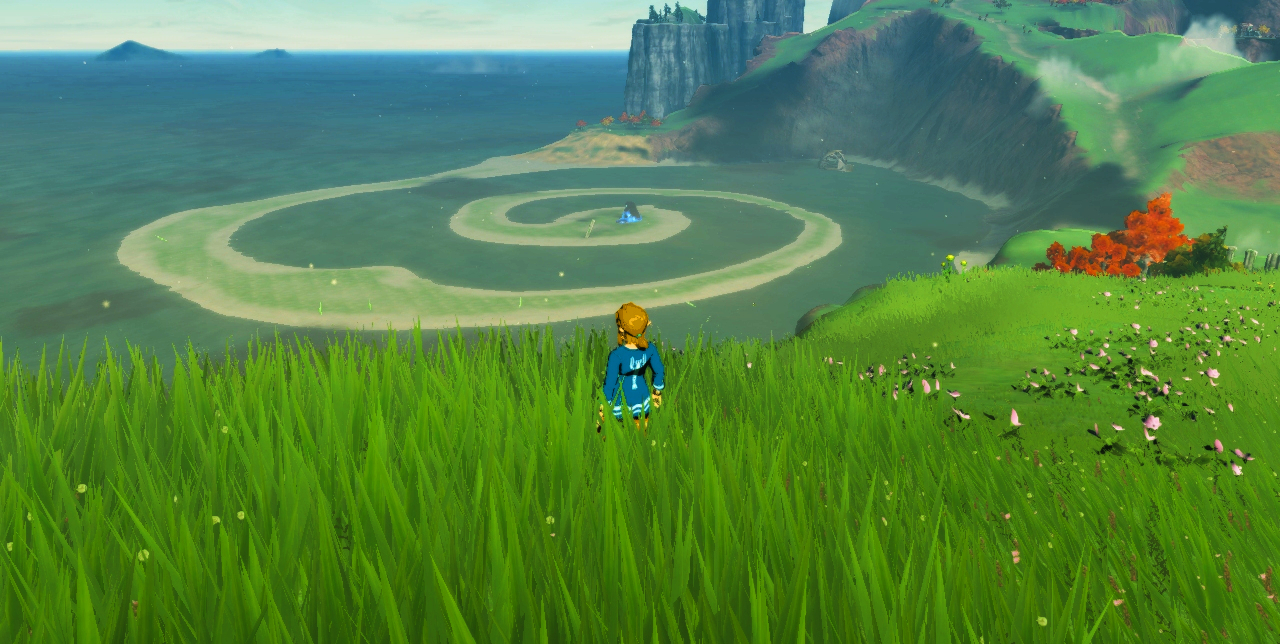
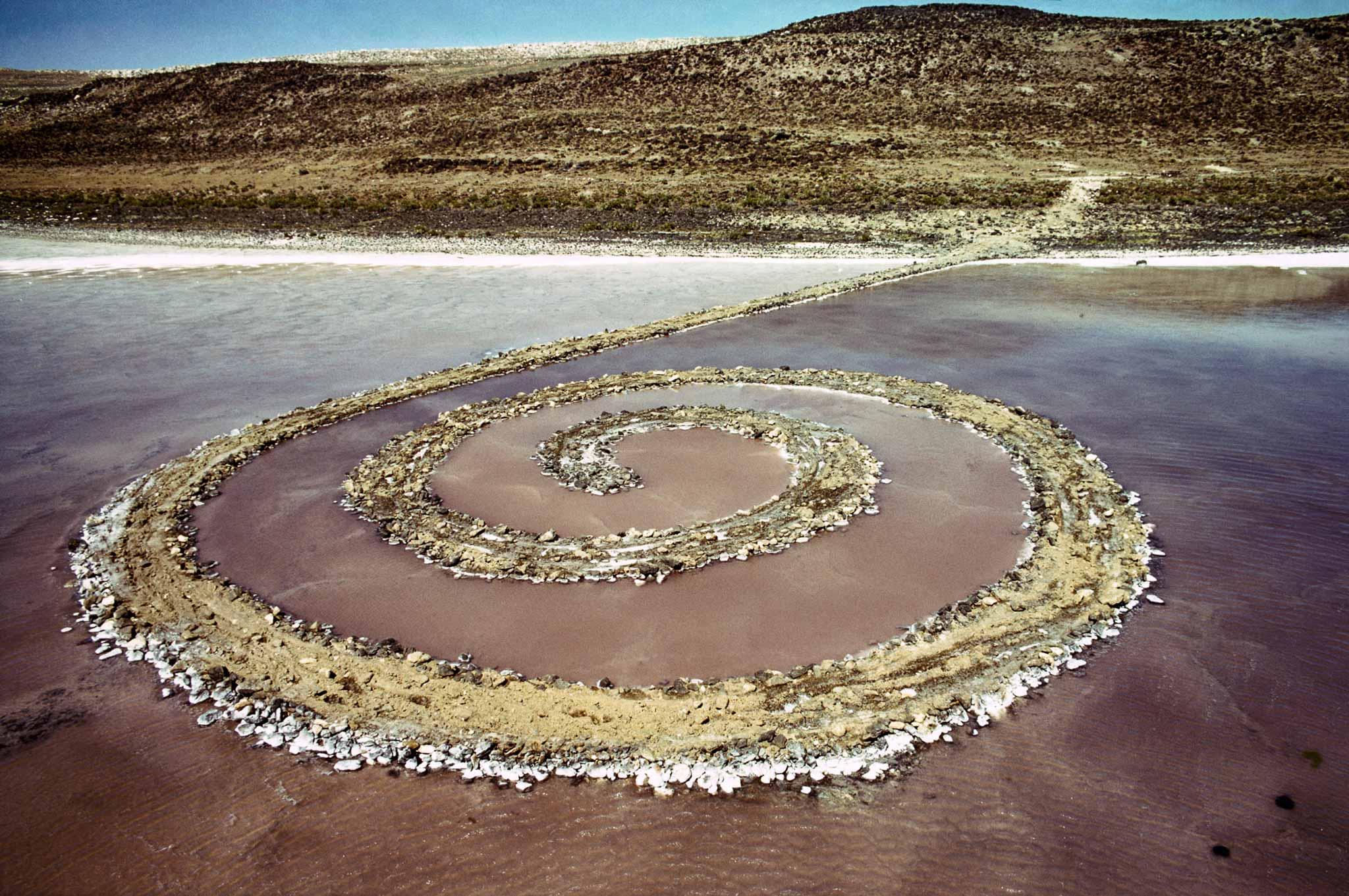
Hyrule loves spirals. The Rist Peninsula’s swirling landform is a callback to ancient Celtic spirals, Indigenous rock carvings, and even land art like Utah’s Spiral Jetty.
Across cultures, spirals represent eternity, cycles, and cosmic forces. In Tears of the Kingdom, they are a visual motif connecting the land, sky, and past civilizations.
🎨 Real-World Example: Spiral Jetty, Utah & Newgrange Spirals, Ireland
Massive spirals in landscapes, carved or constructed as symbols of the infinite.
🎭 Gerudo Art & Middle Eastern Influence
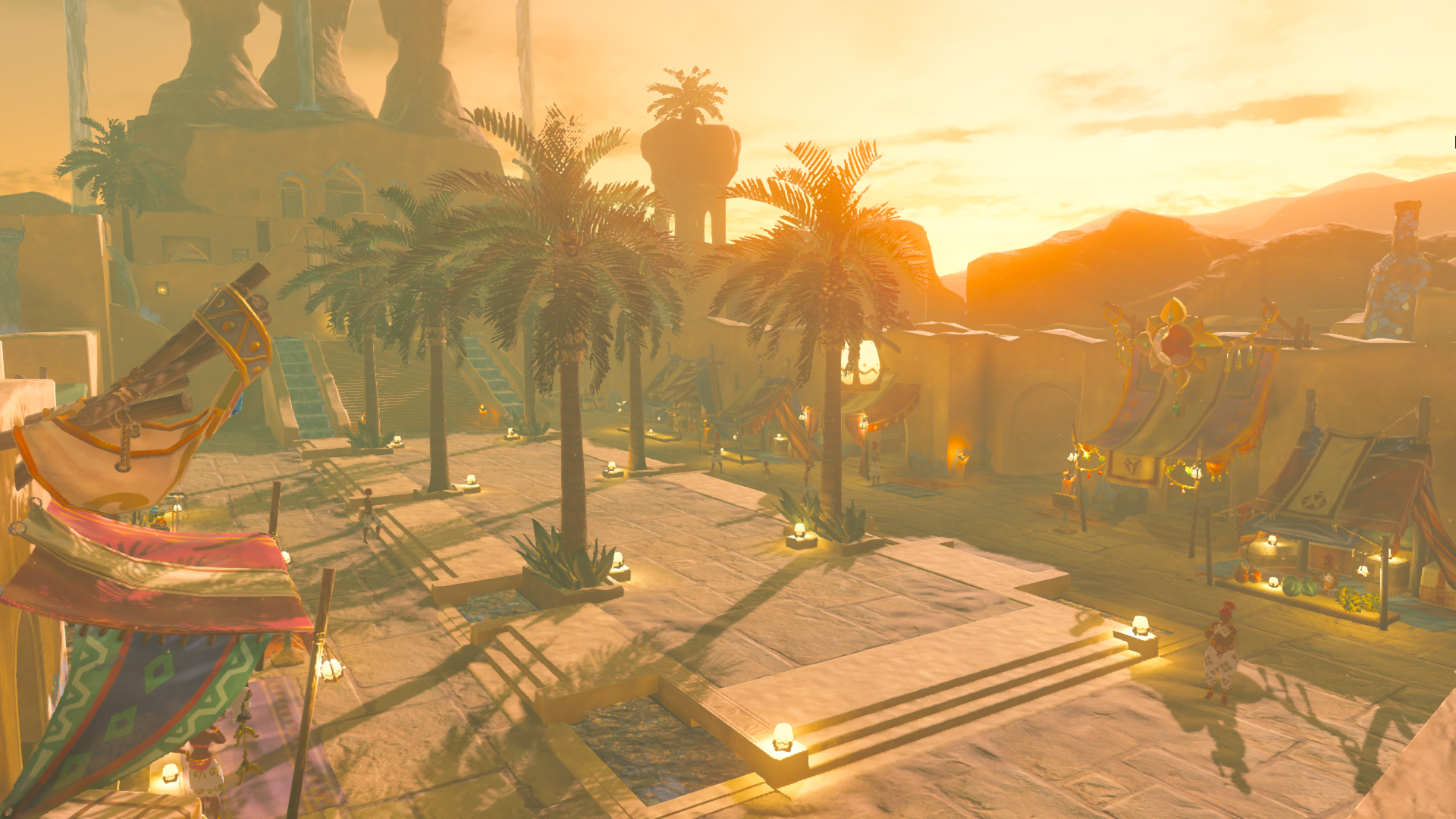
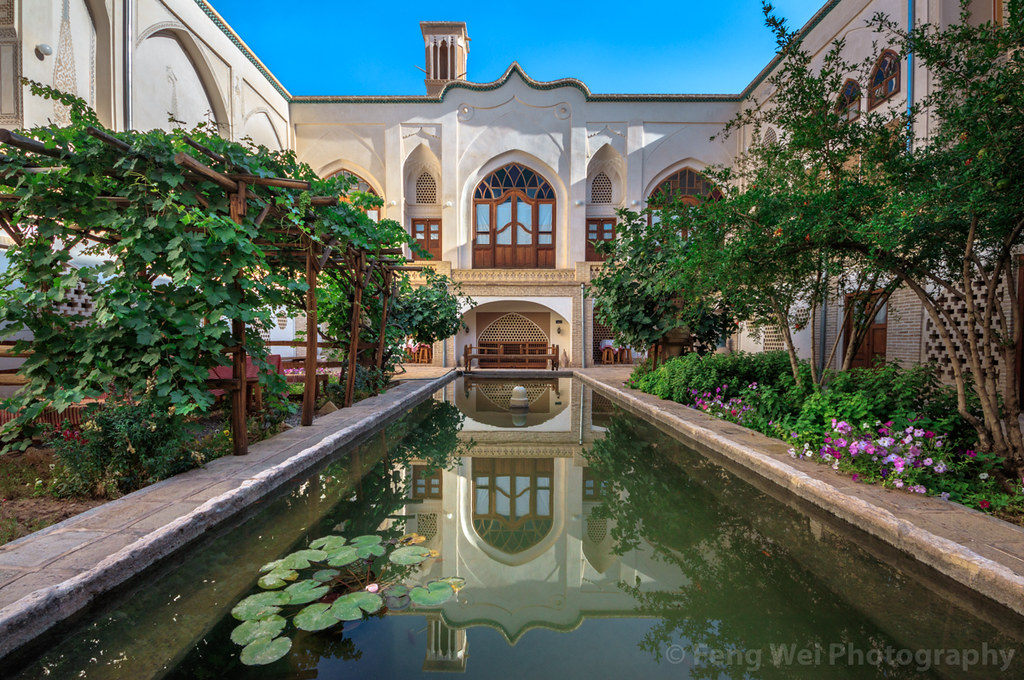
With domed buildings, geometric mosaics, and vibrant desert textiles, Gerudo Town is a Middle Eastern-inspired wonder.
From Persian bazaars to Arabian courtyards, the Gerudo’s world echoes real-world desert cultures, blending art and survival into something breathtaking.
🎨 Real-World Example: Persian and Arabian Architecture
Intricate tilework, marketplace layouts, and grand desert structures seen throughout the Middle East.
⚔️ The Way of the Blade – Zelda’s Combat & The Bushido Code
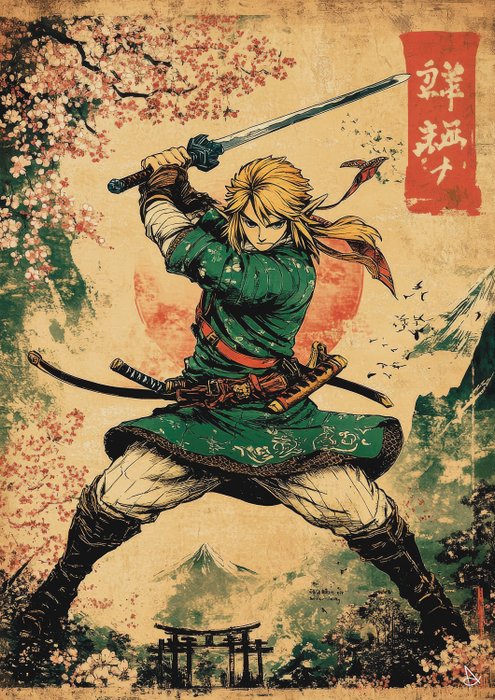
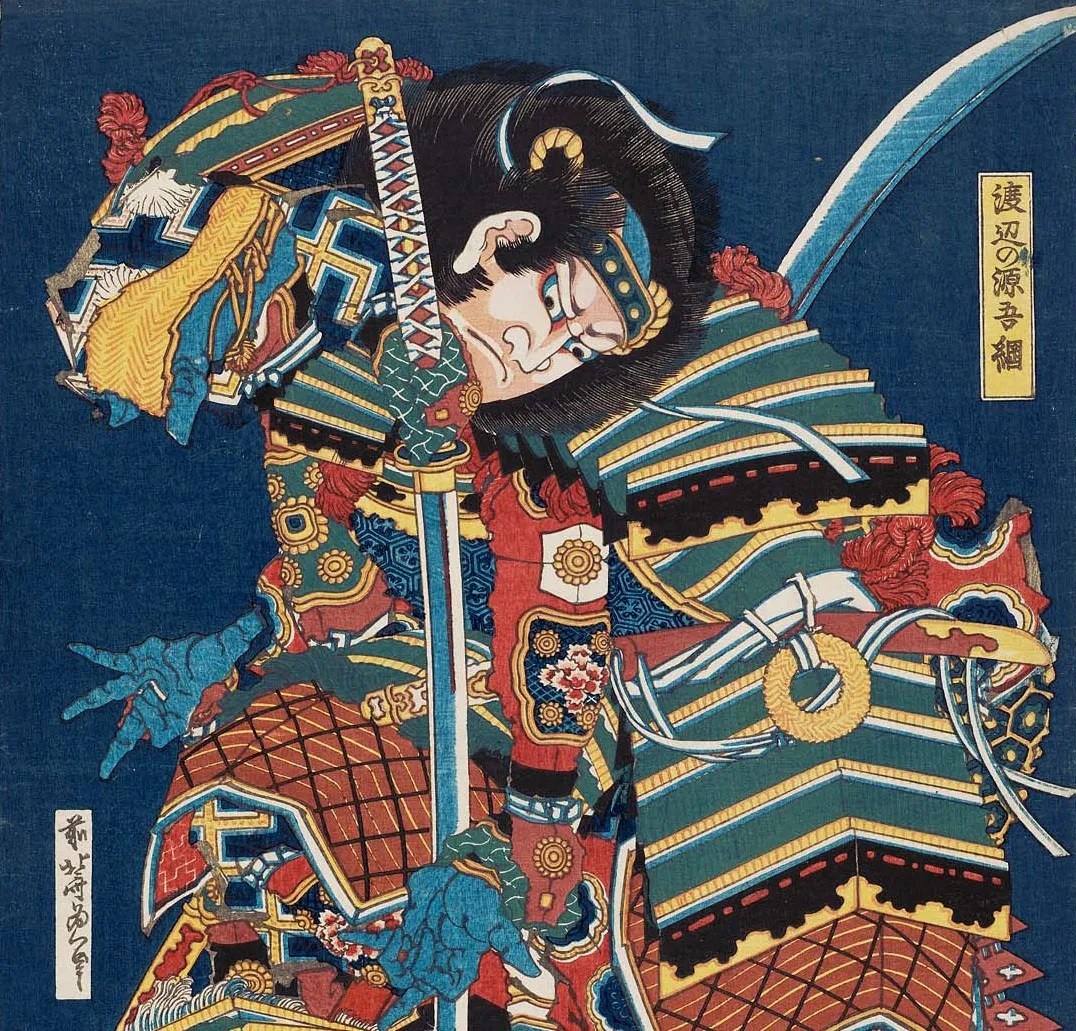
Link isn’t a brutish warrior – he fights with precision, patience, and an almost meditative focus. This echoes Bushido, the samurai code of honor, discipline, and mastery of the sword.
Even Zelda’s Yiga Clan borrows from ninja traditions, emphasizing deception and agility over brute strength.
🎨 Real-World Example: Bushido & Feudal Japan’s Samurai
A warrior philosophy centered on discipline, skill, and honor – much like Hyrule’s greatest heroes.
🔮 The Alchemy of Zelda’s Art
The Legend of Zelda doesn’t weaves history into fantasy.
From the stillness of Kyoto’s rock gardens to the spirals of ancient Peru, from the lost temples of Mesoamerica to celestial calculations of old astronomers – Hyrule stands as a world sculpted from the echoes of our own.
🌀 And just like its real-world inspirations, it invites you to play and to ponder.




 UhVyn
UhVyn 
Leave a comment