
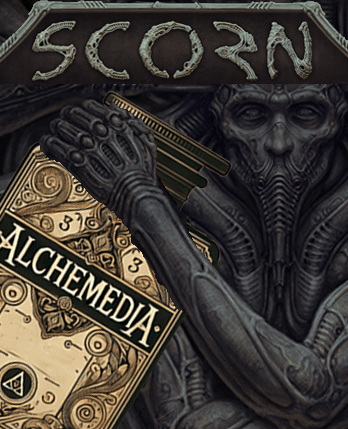
🔮 What is an Alchemedia Review? A philosopher’s cauldron where art, games, and storytelling are distilled into their purest essences—one ingredient at a time. What’s the recipe for Scorn?
Scorn—a bitter draught brewed from the darkest influences of art and horror, where beauty and suffering share the same skin. Non-spoiled ingredients:
🩸 Base Essence – Giger’s Biomechanical Bile
Distill flesh and metal from the works of H.R. Giger. A fusion where sinew feeds steel, and machinery pulses with sick, organic life. Symmetry becomes sacrilege—cold, clinical, and corrupt.
🌑 Shadow Solvent – Beksiński’s Ash of Forgotten Souls
From the dreamscapes of Zdzisław Beksiński, draw thick sorrow and ruin. A world of crumbling monuments and hollow echoes—where the walls mourn and the ground grieves.
🧪 Catalyst – Cronenberg’s Serum of Fleshbound Horror
Infuse the player with David Cronenberg’s brand of body horror. Machines do not take commands—they consume sacrifices. Buttons are wounds. Tools are bones. Progress hurts.
🌀 Binding Agent – Escher’s Dust of Spatial Madness
Crush the logic of M.C. Escher into fine, disorienting powder. Space twists, corridors fold, and every path feels wrong. The maze does not trap you—you trap yourself.
💀 Final Concoction: Scorn
A bitter tincture of a game, steeped in agony and dread. The reward is not escape, but absorption. Sip the style—or choke on it. It matters little. The machine devours you either way.
Welcome to Scorn. It’s not here to hold your hand or tell you a neat little story—it wants you to feel the story, or maybe squirm through it. You’re dropped into a world that’s equal parts corpse and cathedral, where every door opens with a squelch, and the only guide is your own discomfort. You are no hero—just a nameless, fleshy wanderer in a place where nature lost a long, messy fight against technology. Every puzzle solved feels more like an invasion than a victory. Every machine is a body part you wish you didn’t have to touch.
*Spoilers Below*
The Ghosts Behind the Gore
This nightmare wasn’t born in a vacuum—its DNA is stitched together from some of the greatest minds in surreal horror and existential dread.
Giger’s Shadow: Where Flesh Becomes Metal
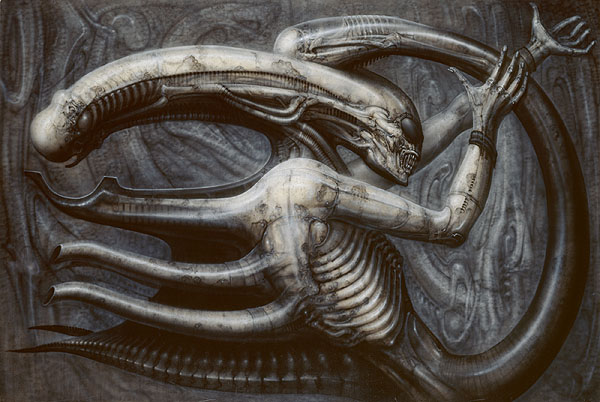
Scorn practically oozes H.R. Giger’s biomechanical aesthetic—if Giger’s “Necronom IV” ever decided to get up and walk around, it would live here. Every wall, every corridor—organic and metallic, symmetrical yet sickening—feels like it grew, not built. The machines don’t just run on flesh; they consume it. The whole world is a temple to the unsettling marriage of body and steel, where nature isn’t conquered but corrupted.
Beksiński’s Wasteland: Despair, Layered Thick
Zdzisław Beksiński’s influence pulses through the scenery—a place where the walls mourn and the ground feels like it’s suffered more than you. The architecture is a whisper of civilizations long gone, and what’s left is decay frozen in time. It’s not just lifeless; it feels like it once had life and lost it, painfully. You’re not exploring a ruin—you’re trespassing in a graveyard that forgot to bury its dead.

Cronenberg’s Discomfort: Your Body as the Enemy
David Cronenberg would grin at Scorn’s brand of body horror. The machines here don’t have buttons; they have orifices, and you insert things into them—sometimes yourself. Wounds become keys, bones become tools. It’s not just unsettling—it’s invasive. The game isn’t just showing you horror; it’s making you participate in it.
Escher’s Maze: Lost, Forever and Always
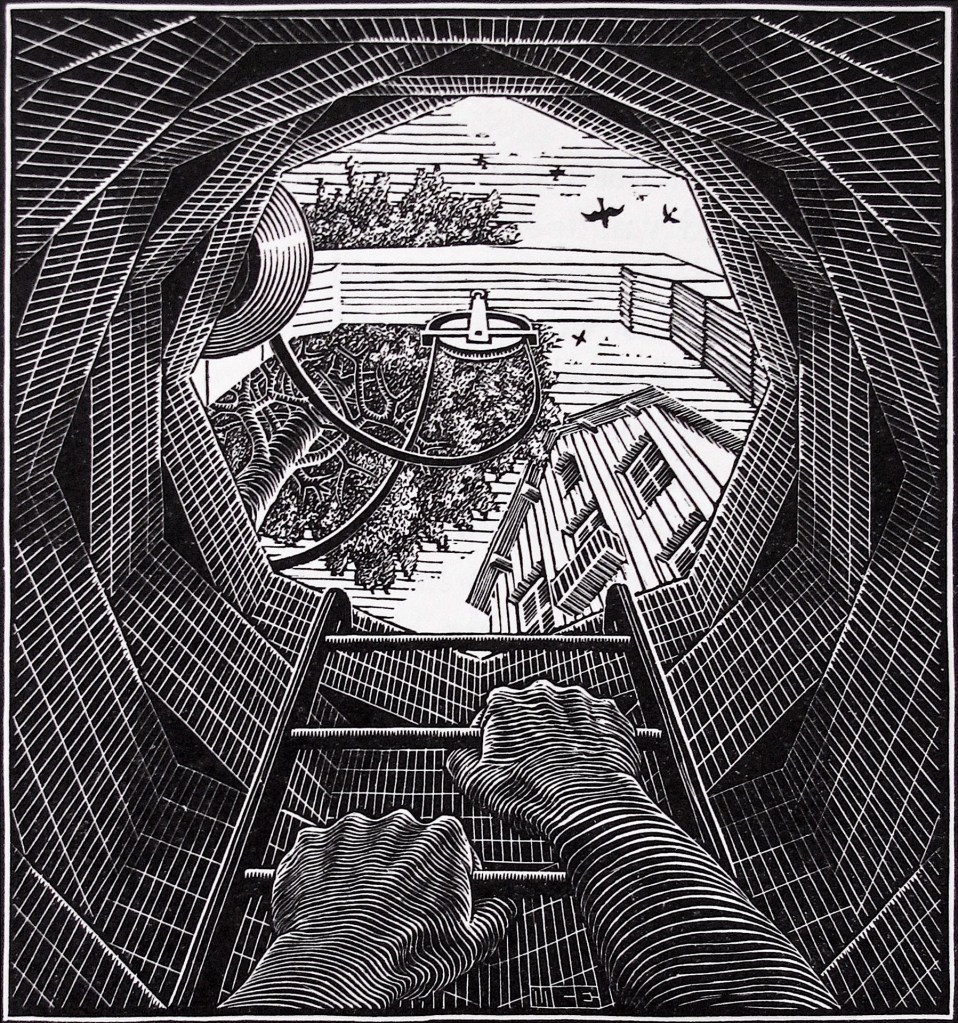
Scorn’s level design feels like M.C. Escher decided to make an escape room and got bored halfway through. Corridors spiral, paths loop into themselves, and every route feels wrong even when it’s right. Progress isn’t triumph; it’s disorientation. Every solved puzzle feels less like you’re advancing and more like the world allowed you to continue—for now.
The Lie of Progress
Scorn doesn’t care about your happy endings. There’s no hero’s journey here. Each puzzle, each encounter, strips away more of your hope until you realize: this world isn’t here to be beaten—it’s here to consume you. Your flesh, your body—it all becomes part of the machine. Scorn isn’t a game about winning. It’s a game about being used. Used by the world. Used by the machinery. And when it’s done with you, there’s nothing left but paralysis. Because, in the end, Scorn leaves you with the greatest horror of all—that you never mattered to begin with.





 UhVyn
UhVyn 
Leave a comment